
Roofing today goes far beyond simply keeping the weather out. In modern Australian construction, it plays a central role in energy performance, building efficiency, and long-term durability. As regulations tighten and energy costs continue to rise, builders and developers are placing greater focus on systems that deliver consistent performance over time.
Traditional roofing assemblies often rely on multiple separate layers, including structural decking, insulation, membranes, and protective finishes. While effective when installed correctly, this approach introduces complexity, longer installation timelines, and a higher risk of inconsistencies across different trades.
Read More : Commercial RO Water Purifier: How It Differs from Home RO Systems
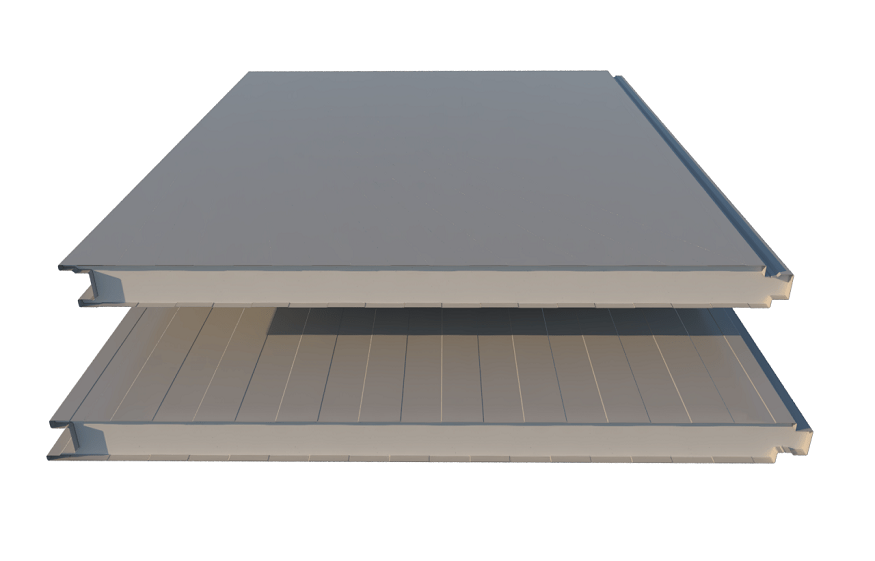
This is where insulated flat roof panels are changing expectations. By combining structure and insulation into a single engineered product, they simplify construction while improving thermal efficiency and waterproofing reliability. The result is a more predictable roofing system that performs consistently across a wide range of Australian building conditions.
What Makes Insulated Roof Panels Different From Traditional Systems
Traditional roofing systems are built in layers, which often means multiple trades, staggered installation stages, and greater potential for error. In contrast, insulated panels are manufactured as integrated systems designed to perform multiple roles at once.
● Insulated panels combine structure and insulation into one system, reducing installation complexity and improving workflow efficiency on-site.
● They are manufactured off-site in controlled environments, ensuring consistent quality and performance across each panel.
● The integrated design removes the need for separate insulation installation, reducing the chance of gaps, misalignment, or installation errors.
● Fewer layers and joints help reduce weak points, improving waterproofing reliability over the life of the roof.
● Insulated flat roof panels provide a more uniform finish, supporting long-term durability and consistent structural performance.
This streamlined approach not only simplifies construction but also reduces the number of variables that can affect overall roofing performance.
Thermal Performance and Energy Efficiency Benefits
Energy efficiency is now a core requirement in Australian building design. Roofs are one of the primary areas where heat gain and heat loss occur, making insulation performance especially important.
Insulated panels help regulate indoor temperatures by significantly reducing thermal transfer through the roof structure. This creates a more stable internal environment and reduces reliance on artificial heating and cooling systems.
In practical terms, this means:
● Cooler interiors during hot Australian summers
● Improved heat retention during colder months
● Reduced energy consumption and lower utility costs
The insulating core within insulated flat roof panels is designed to maintain consistent performance across the entire roof surface. Unlike traditional systems where insulation may be unevenly installed or compressed, these panels minimise thermal bridging and improve overall energy efficiency.
Over time, this can contribute to better compliance with energy standards and improved building performance ratings, particularly in commercial and multi-residential projects.
Performance in Australian Climate Conditions
Australia presents some of the most demanding roofing conditions in the world. High UV exposure, heavy rainfall, coastal humidity, and rapid temperature changes all place stress on building materials.
Roofing systems must therefore be able to:
● Handle repeated thermal expansion and contraction
● Resist moisture ingress and water pooling
● Maintain structural stability under wind and storm exposure
Insulated flat roof panels are designed with these challenges in mind. Their layered yet integrated construction reduces the risks commonly associated with multi-component systems.
When paired with appropriate waterproofing membranes, these panels offer strong protection against water penetration, even in areas prone to heavy or prolonged rainfall. Their durability also makes them suitable for coastal environments where salt exposure can accelerate material degradation.
Overall, they provide a reliable option for projects requiring consistent performance across Australia’s diverse climate zones.
Faster Installation and Reduced Project Timelines
Construction efficiency is a key factor in controlling project costs. Delays often lead to increased labour expenses and scheduling complications across multiple trades.
One of the major advantages of insulated flat roof panels is their ability to combine several construction stages into one streamlined installation process.
This results in:
● Faster roof installation due to fewer components
● Reduced need for multiple specialist trades
● Lower risk of scheduling delays between installation stages
● Improved coordination on-site
Because insulation is already integrated into the panel, builders can complete roofing and insulation simultaneously. This reduces overall build time and allows projects to progress more efficiently through critical construction phases.
Working with suppliers like Waterproofing Direct also helps ensure consistent product availability, which supports smoother project scheduling and reduces downtime caused by material shortages.
Long-Term Durability and Structural Reliability
Durability is a major consideration in roofing selection, particularly for commercial and high-use buildings. A system that requires frequent maintenance or early replacement can significantly increase lifecycle costs.
insulated flat roof panels are engineered to provide both structural strength and thermal performance. This dual-function design helps them withstand environmental stresses such as:
● UV radiation exposure
● High wind loads
● Repeated temperature fluctuations
Because the system is manufactured as a single integrated unit, performance is more consistent over time compared to traditional layered roofs. This reduces the likelihood of premature failure caused by separation between layers or installation inconsistencies.
For builders and developers, this makes insulated panels a long-term solution rather than a short-term construction option.
Reducing Maintenance and Lifecycle Costs
Maintenance requirements play a significant role in the total cost of ownership for any roofing system. Traditional roofs often require ongoing inspections and repairs due to multiple interfaces and potential weak points.
With insulated flat roof panels, maintenance demands are generally lower because of their simplified structure.
Key advantages include:
● Fewer joints reduce potential leak points
● Integrated construction minimises material movement over time
● Durable materials extend service life
● Reduced need for frequent repair interventions
● Less disruption for building occupants during maintenance
Over the full lifecycle of a building, these benefits can translate into significant cost savings. Reduced maintenance also improves operational efficiency, particularly for commercial buildings where downtime can affect productivity.
Why Supplier Support Plays a Key Role
Even the best roofing system relies on correct specification and installation to achieve optimal performance. This is where supplier expertise becomes essential.
Working with experienced suppliers ensures:
● Accurate product selection for specific project requirements
● Better compatibility between roofing and waterproofing systems
● Reduced risk of installation errors
● Reliable access to technical guidance when needed
● Consistent supply throughout the construction process
Waterproofing Direct provides practical, industry-based advice that helps builders make informed decisions when working with insulated flat roof panels. This support is especially valuable in complex projects where system integration is critical.
Comparing Insulated Panels With Traditional Roofing Systems
When comparing insulated panels with traditional multi-layer systems, the differences are clear across several key areas.
Read More : How does an Instant Water Softener for Home Fix Hard Water Issues?
Traditional roofing systems offer flexibility but often require more time, coordination, and quality control across multiple trades. In contrast, insulated panels deliver a more controlled and predictable outcome.
Key comparison points include:
● Installation speed and efficiency
● Consistency of insulation performance
● Number of trades required on-site
● Long-term maintenance requirements
● Overall lifecycle cost effectiveness
While traditional systems may still be suitable for certain applications, Insulated flat roof panels often provide stronger value when long-term performance and efficiency are prioritised.
Practical Considerations Before Choosing a System
Before selecting a roofing system, it is important to assess the specific requirements of the project. Key considerations include:
● Building type and intended use
● Local climate conditions and exposure risks
● Energy efficiency targets and compliance requirements
● Budget constraints and lifecycle cost expectations
● Integration with waterproofing and structural systems
Taking a holistic approach ensures the selected system aligns with both immediate construction needs and long-term performance goals.
Consulting with experienced suppliers can also help identify potential issues early and reduce project risks related to compatibility or installation.
Upgrade to Smarter Roofing Solutions
Choosing the right roofing system has a lasting impact on building performance, maintenance costs, and energy efficiency. As construction standards continue to evolve, integrated solutions like insulated flat roof panels are becoming an increasingly practical choice for Australian projects.
At Waterproofing Direct, we support builders, contractors, and developers with high-performance roofing and waterproofing systems designed specifically for Australian conditions. Our focus is on delivering reliable supply, practical advice, and proven system performance.
For product enquiries or technical support, contact us at 1300 557 973 or visit https://www.wpdgroup.com.au.