
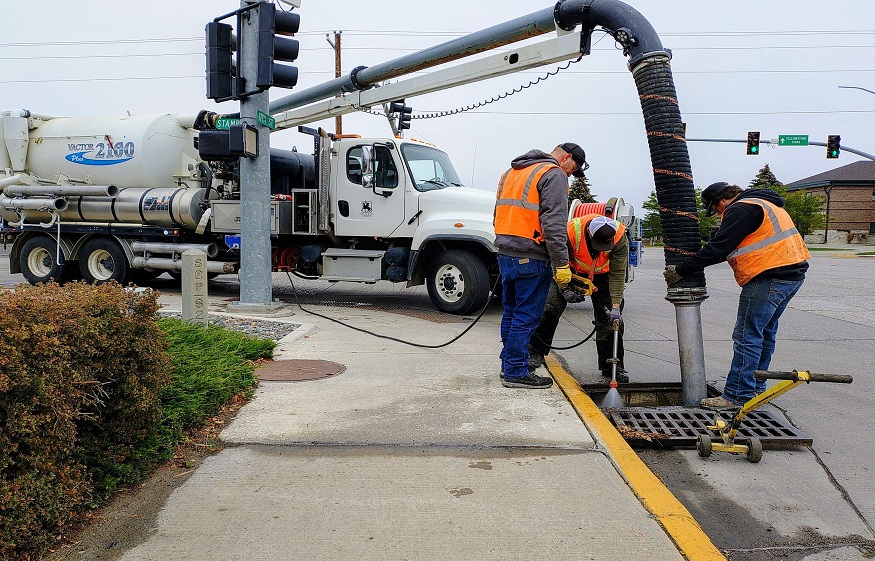
Stormwater systems are often out of sight and out of mind until something goes wrong. Many homes still rely on drainage infrastructure installed decades ago, built for conditions that no longer reflect today’s environment. With increasing rainfall intensity and expanding urban development, older stormwater systems are being pushed beyond their limits. When they fail, the consequences can include flooding, property damage, and costly repairs. Understanding why these systems struggle is the first step in protecting your home.
Why Older Systems Struggle
Stormwater systems installed in the past were designed based on the rainfall patterns and property layouts of their time. In many cases, they feature narrower pipes that were sufficient for moderate rainfall but are now inadequate during heavy downpours.
Ageing materials are another major issue. Pipes made from older materials can weaken over time due to constant exposure to moisture, soil movement, and external pressure. Cracks, joint failures, and partial collapses become more likely as the system ages.
Outdated drainage layouts also contribute to poor performance. Older systems may not account for changes in property structure, such as extensions, paved areas, or landscaping adjustments. These changes can alter how water flows across the property, placing additional strain on the original drainage design.
Read More: Best Toilet Cisterns that Save Water Now
Blockages are more common in ageing systems as well. Debris such as leaves, dirt, and sediment can accumulate more easily in narrow or uneven pipes. Without regular maintenance, this build-up restricts water flow and increases the risk of overflow.
Modern Demands on Drainage
The demands placed on stormwater systems today are significantly different from those of the past. One of the biggest changes is the intensity of rainfall. Storm events are becoming more severe, delivering large volumes of water in a short period. This places immediate pressure on drainage systems that were not designed to handle such conditions.
Urban development has also changed how water behaves on residential properties. Increased paving, driveways, and built structures reduce the amount of natural ground available to absorb rainwater. As a result, more water is directed into stormwater systems at a faster rate.
Neighbouring developments can further add to the load. Changes in surrounding properties can redirect water flow, increasing the volume entering your drainage system. This can overwhelm older pipes and lead to pooling or flooding in areas that previously had no issues.
Another factor is the accumulation of debris from both natural and urban sources. Leaves, soil, and waste materials can enter the system more frequently, especially during storms. Without proper clearance, these obstructions reduce the system’s capacity and create bottlenecks.
Signs Your Stormwater System Is Falling Behind
Recognising early warning signs can help you address issues before they escalate. One of the most obvious indicators is water pooling around your property after rainfall. If water takes longer than usual to drain or collects in specific areas, it suggests that the system is struggling to cope.
Slow drainage from outdoor areas is another sign. This may indicate partial blockages or restricted flow within the pipes. In some cases, you may notice water backing up through grates or drains during heavy rain.
Unusual smells or visible debris around drain openings can point to build-up within the system. Cracks in the ground, sinking areas, or changes in landscaping may also indicate underlying pipe damage.
Ignoring these signs can lead to more serious problems, including internal water damage if stormwater begins to enter the home.
The Role of Professional Solutions
Addressing stormwater issues requires more than a temporary fix. Professional services provide a thorough approach to both clearing and repairing the system.
Stormwater drain cleaning is an essential step in restoring proper flow. This process removes accumulated debris, sediment, and blockages that restrict water movement. Clearing the pipes completely, it helps the system operate at its intended capacity.
However, cleaning alone may not be enough if the system has structural damage. This is where Drain repairs become necessary. Repairing cracked or collapsed sections of pipe ensures that water can move through the system without obstruction or leakage.
Read More: DIY Guide to Fixing Your Leaky Faucet Before You Call A Plumber
Professional assessment also helps identify whether upgrades are needed. In some cases, replacing sections of the system with larger or more durable pipes can significantly improve performance. Adjustments to the drainage layout may also be recommended to better manage water flow across the property.
By combining cleaning, repair, and potential upgrades, professionals can ensure that your stormwater system is better suited to current conditions.
Preventing Future Problems
Maintaining an older stormwater system is an ongoing process. Regular inspections help identify build-up and minor damage before they become major issues. Keeping drains clear of debris, especially during seasonal changes, reduces the risk of blockages.
It is also important to consider how changes to your property affect drainage. Adding paved areas or modifying landscaping can alter water flow, so ensuring that the system can handle these changes is essential.
Planning ahead for heavy rainfall events can make a significant difference. Ensuring that your system is clean and functioning properly before storm seasons reduces the likelihood of unexpected failures.
Conclusion
Older stormwater systems were not built to handle the demands of modern conditions. Narrow pipes, ageing materials, and outdated designs struggle to cope with heavier rainfall and increased runoff. Without proper maintenance or upgrades, these systems are more likely to fail, leading to flooding and property damage.
If your drainage system is showing signs of strain, it is important to take action before the problem worsens. Arrange a professional inspection to assess its condition and determine whether cleaning, repairs, or upgrades are needed. Investing in the right solution now helps protect your property and ensures your drainage system can handle the challenges of today’s environment.