
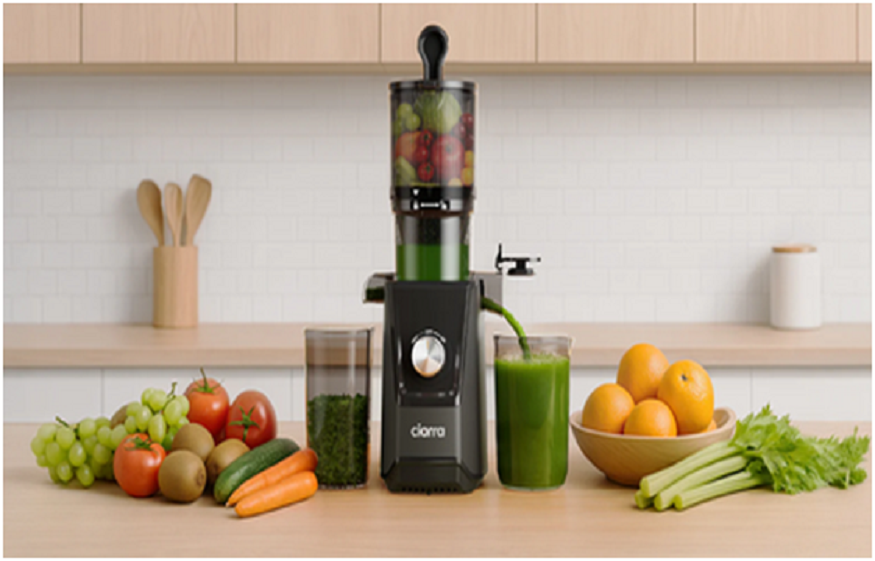
In today’s health-conscious world, kitchen appliances like juicers and blenders have become essential tools for anyone looking to improve their diet. Whether you’re trying to lose weight, boost your nutrient intake, or simply enjoy fresh beverages at home, both machines offer unique advantages. However, the debate of juicer vs blender often leaves people confused about which one suits their needs best. While they may seem similar at first glance, they function quite differently and serve distinct purposes.
This article will break down the key differences, benefits, drawbacks, and ideal uses of each appliance so you can make an informed decision.
Understanding the Basics
A juicer is designed to extract liquid from fruits and vegetables by separating the juice from the pulp. The result is a smooth, pulp-free drink packed with vitamins and minerals. Juicers are especially popular among those who prefer light, refreshing beverages and want to consume nutrients quickly.
Read More: Commercial RO Water Purifier: How It Differs from Home RO Systems
On the other hand, a blender processes whole fruits and vegetables, including the fiber. It blends everything into a thick, creamy consistency, making it ideal for smoothies, soups, and sauces. Instead of separating components, a blender retains all parts of the ingredients.
Key Differences Between Juicer and Blender
1. Nutritional Content
One of the most important distinctions lies in the nutritional value of the final product.
- Juicer: Removes fiber but delivers a concentrated dose of vitamins and minerals. Juice is quickly absorbed by the body.
- Blender: Retains fiber, which aids digestion, promotes satiety, and helps regulate blood sugar levels.
If your goal is better digestion and feeling full longer, a blender is the better option. However, if you want a quick nutrient boost, a juicer may be more suitable.
2. Texture and Consistency
- Juicer: Produces a smooth, liquid drink similar to store-bought juice.
- Blender: Creates thick, creamy beverages like smoothies or shakes.
People who prefer lighter drinks often lean toward juicers, while those who enjoy hearty, filling beverages usually prefer blenders.
3. Ease of Use
Blenders are generally simpler to use. You just chop your ingredients, add some liquid, and blend.
Juicers, especially centrifugal or masticating types, can require more preparation. You may need to peel, chop, or remove seeds before juicing.
4. Cleaning and Maintenance
Cleaning is a major factor many people overlook.
- Juicer: Typically has more parts and can be time-consuming to clean.
- Blender: Easier to clean, often requiring just a quick rinse or a blend of soap and water.
If convenience is a priority, a blender wins in this category.
5. Cost
Blenders are usually more affordable and versatile.
Juicers, particularly high-quality masticating models, can be expensive. However, they are worth the investment if juicing is a regular part of your routine.
Types of Juicers
Understanding the types of juicers can help you decide if this appliance is right for you.
Centrifugal Juicers
These are the most common and affordable. They use fast-spinning blades to extract juice but may generate heat, which can reduce some nutrients.
Masticating Juicers
Also known as slow juicers, they crush and press ingredients to extract juice. They preserve more nutrients and produce higher-quality juice but are slower and more expensive.
Triturating Juicers
These are twin-gear juicers that offer the highest nutrient retention. They are usually used by serious health enthusiasts due to their high cost.
Types of Blenders
Blenders also come in various forms depending on your needs.
Countertop Blenders
These are the most powerful and versatile, ideal for smoothies, soups, and even crushing ice.
Personal Blenders
Compact and convenient, perfect for single servings and quick smoothies.
Immersion Blenders
Also known as hand blenders, these are great for soups and sauces but not as powerful for tough ingredients.
Health Benefits: Juicer vs Blender
When comparing juicer vs blender, both contribute to a healthier lifestyle but in different ways.
Benefits of Juicing
- Provides a quick intake of vitamins and minerals
- Easier for the body to absorb nutrients
- Ideal for detox diets or cleansing routines
Benefits of Blending
- Retains dietary fiber
- Keeps you full for longer
- Supports weight management and digestion
The choice depends on your health goals. If you’re focused on detoxing or rapid nutrient absorption, juicing is beneficial. For long-term health and balanced nutrition, blending is often the better option.
Which One Is Better for Weight Loss?
Both appliances can support weight loss, but they do so differently.
Juicing can help reduce calorie intake by replacing heavy meals with light, nutrient-rich drinks. However, since juice lacks fiber, it may not keep you full for long.
Blending, on the other hand, creates filling smoothies that can act as meal replacements. The fiber content helps control hunger and prevents overeating.
For sustainable weight loss, a blender is generally the better choice.
Versatility in the Kitchen
Blenders are far more versatile than juicers. With a blender, you can make:
- Smoothies
- Soups
- Sauces
- Nut butters
- Milk alternatives
Juicers are more specialized and primarily used for making juice. While they excel in that area, they don’t offer the same range of culinary possibilities.
Time Efficiency
If you’re always on the go, time matters.
Blenders are quicker to use and clean, making them ideal for busy lifestyles. Juicers may take more time to prepare ingredients and clean afterward.
Environmental Impact
Juicing produces pulp waste, which can be composted but is often discarded.
Blending uses the entire ingredient, reducing food waste and making it a more eco-friendly option.
Making the Right Choice
Choosing between a juicer and a blender ultimately comes down to your lifestyle, preferences, and health goals.
Choose a juicer if:
- You prefer smooth, pulp-free drinks
- You want a concentrated nutrient boost
- You enjoy fresh juice regularly
Choose a blender if:
- You want a versatile appliance
- You value fiber and satiety
- You prefer smoothies or thicker drinks
Some people even choose to have both appliances to enjoy the benefits of each.
Final Thoughts
The debate of juicer vs blender doesn’t have a one-size-fits-all answer. Both appliances offer unique benefits and can play a valuable role in a healthy diet. While juicers excel at delivering pure, nutrient-rich juice, blenders stand out for their versatility and fiber retention.
If you’re just starting your health journey, a blender is usually the better investment due to its multifunctionality. However, if you’re passionate about juicing and want maximum nutrient extraction, a juicer may be worth the cost.
At the end of the day, the best choice is the one that aligns with your lifestyle and encourages you to consume more fruits and vegetables consistently. Brands and platforms like Ciarragadgets often showcase modern kitchen solutions that make healthy living easier, helping you get the most out of whichever appliance you choose.
Read More: How does an Instant Water Softener for Home Fix Hard Water Issues?
By understanding the strengths and limitations of each, you can confidently pick the appliance that fits your needs and start enjoying healthier, homemade drinks every day.