
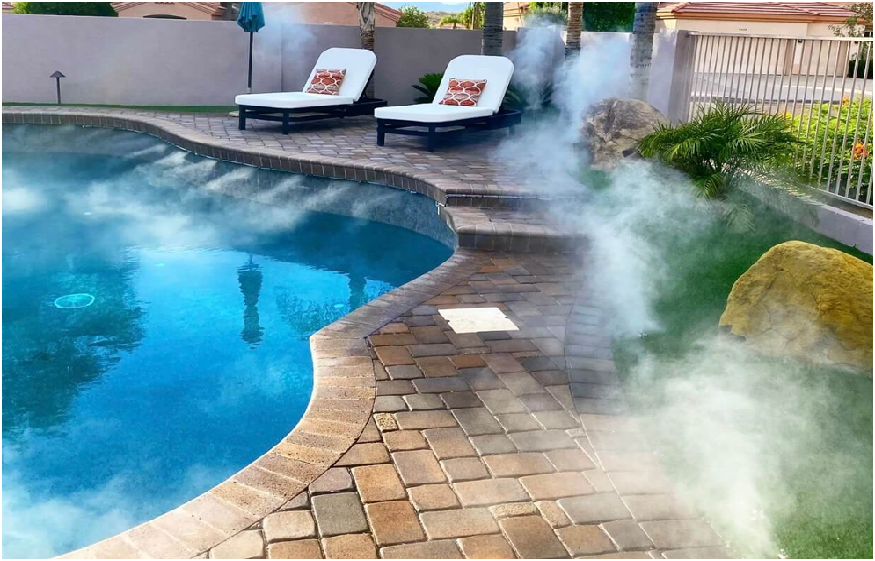
Understanding Outdoor Misting Systems
Outdoor misting systems have become a popular solution for managing heat in arid climates. By dispersing a fine spray of water droplets, these systems leverage the principle of evaporative cooling, which can lower ambient temperatures by several degrees without the need for bulky air conditioning units.
In regions like Arizona, where summer temperatures regularly exceed 100°F, misting offers a sustainable and energy‑efficient alternative. The technology works by forcing water through specialized nozzles that create a mist fine enough to evaporate before reaching the ground, thus absorbing heat from the surrounding air.
Key Components of a Misting Installation
A typical setup includes high‑pressure pumps, corrosion‑resistant tubing, and strategically placed nozzles. Modern controllers allow users to schedule misting cycles, adjust flow rates, and integrate with smart home systems for optimal performance.
Benefits Over Traditional Cooling Methods
Compared to conventional fans or portable AC units, misting systems consume less electricity and produce minimal noise. They also enhance outdoor comfort for patios, decks, and pool areas, creating a pleasant environment for social gatherings.
Why Professional Installation Matters
While DIY kits are available, professional installation ensures that the system operates safely and efficiently. Certified technicians assess site-specific factors such as water pressure, wind patterns, and local building codes to design a customized solution.
Professional installers also use high‑grade materials that resist mineral buildup and corrosion, extending the lifespan of the system. Properly sealed connections prevent leaks, and precise nozzle placement maximizes cooling coverage while minimizing water waste.
Ensuring Compliance and Safety
In Arizona, water usage regulations may apply, especially in drought‑prone areas. A qualified installer will help you navigate these rules, selecting water‑efficient components and setting timers to reduce consumption during peak hours.
Optimizing System Performance
Expert installers conduct thorough testing after setup, calibrating pressure settings and verifying that each nozzle delivers the correct droplet size. This fine‑tuning guarantees that the mist evaporates quickly, delivering the maximum cooling effect.
Choosing the Right Service Provider
When selecting a contractor, look for companies with proven experience in desert climates and a portfolio of successful projects. Customer reviews, industry certifications, and warranties are good indicators of reliability.
One reputable option is Professional Outdoor misting System Installation in Arizona, which offers tailored designs, comprehensive maintenance plans, and a commitment to eco‑friendly practices.
Evaluating Cost and Value
Initial costs vary based on system size, complexity, and material quality. However, the long‑term savings on energy bills and the added value to your property often justify the investment. Request detailed quotes that break down equipment, labor, and any ongoing service fees.
Read More: Garage Floor Coating Cost: What to Budget for a Complete Garage Makeover
Maintenance and Support
Regular maintenance, such as filter cleaning and nozzle inspection, is essential for consistent performance. Choose a provider that offers scheduled service visits and rapid response for any issues that arise.
Design Tips for Maximum Cooling Efficiency
Strategic placement of misting zones can dramatically improve comfort. Position nozzles to cover seating areas while avoiding direct exposure to wind, which can disperse the mist before it evaporates.
Integrating misting with shading structures, such as pergolas or awnings, enhances the cooling effect by reducing solar heat gain. Consider using timers that activate the system during the hottest parts of the day, typically mid‑afternoon.
Water Quality Considerations
Hard water can cause mineral deposits in nozzles, reducing mist quality. Installing a water softener or using filtered water can mitigate this issue, ensuring a consistent fine mist.
Eco‑Friendly Practices
Reuse captured runoff for irrigation, or select systems that incorporate rain sensors to pause misting during natural precipitation. These measures align with sustainable landscaping goals and may qualify for local water‑conservation incentives.
Read More: How Hidden Household Risks Can Be Found With Plumbing Inspections
Conclusion
Investing in a professionally installed outdoor misting system offers a reliable, energy‑efficient method to combat Arizona’s intense heat. By understanding the technology, selecting experienced installers, and applying thoughtful design principles, homeowners can create comfortable outdoor spaces that enhance lifestyle and property value while respecting environmental considerations.