
Trends die fast. Remember those harvest gold appliances? They looked dated five years after installation. The granite craze of 2005 gave way to the popularity of quartz by 2015. However, certain kitchens from the 1950s maintain a stylish appearance even now. What’s their secret?
Classic Color Palettes Never Fail
White kitchens dominate for good reason. Light bounces around. Small spaces feel bigger. Dirt shows immediately so you clean it. Plus white goes with everything. Switch your dish towels from blue to red and you have a whole new vibe. Gray works too, though people act like it’s revolutionary. Navy cabinets cost the same as beige ones but feel richer somehow. Black kitchens need tons of windows or they turn into caves. But done right? Stunning.
Read More : The Essential Knife Set for Every Kitchen: A Guide to Choosing the Right Knives
Avoid anything too specific to an era. That teal-and-copper combination screams 2020s already. Harvest gold? Dead giveaway for the 70s. Stick to colors your grandmother would recognize.
Quality Materials Age Gracefully
Fake materials rat themselves out fast. That wood-look laminate fools nobody once the edges start peeling. The granite-printed laminate? Please. Everyone knows. Real stuff gets better with age. Solid maple cabinets develop this honey glow after a decade. Soapstone counters earn their scratches and stains like battle scars. Each mark tells a story. It is a story about meals cooked and memories made.
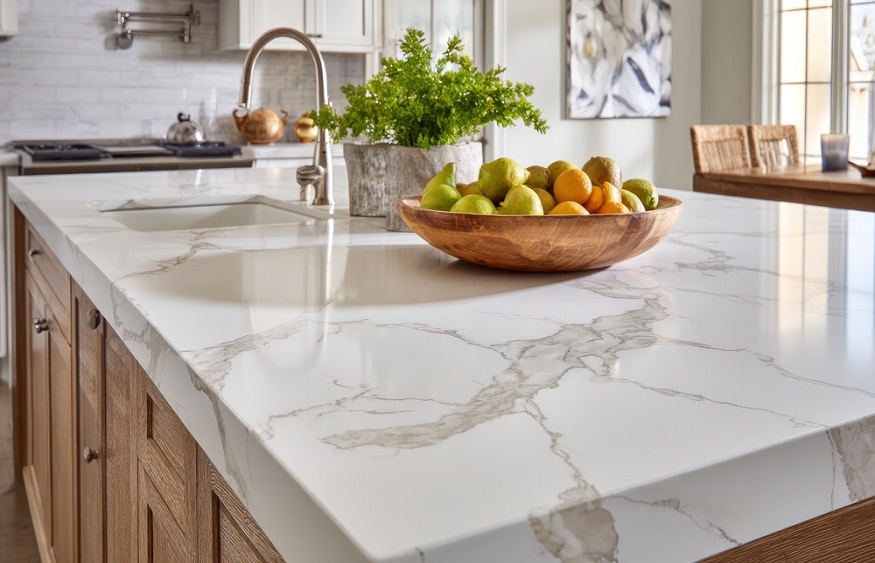
Countertops dictate the overall feel of the space. Inexpensive options can detract from the entire room. The appeal of natural stones such as marble and granite endures. Engineered surfaces from Bedrock Quartz feel and look expensive due to real crushed stone, not fake plastic. Skip the materials that scream what decade they came from.
Brass hardware disappears for twenty years then roars back. Same with copper. Brushed nickel just keeps trucking along, boring but reliable. Chrome works if you keep it simple. Those fancy pewter pulls shaped like tree branches? You’ll hate them within three years.
Proportion and Balance Create Harmony
Old kitchens often nail proportions without trying.The window sits where it should. Everything just fits. Modern renovations mess this up constantly. Giant islands crammed into small kitchens. Tiny pendant lights over massive surfaces. Huge range hoods overwhelming everything else. Stop. Measure. Think about relationships between elements.
Leave at least 42 inches for walking around a kitchen island. Any less feels cramped. Much more wastes floor space. The island itself? Limit it to approximately one-third of the kitchen’s entire space. Space constraints make a larger size pointless. Upper cabinets look best when they align with something: door frames, windows, whatever. Random heights feel chaotic. Your eye wants order even if your brain doesn’t notice.
Simple Details Beat Elaborate Ones
Shaker cabinets survived 300 years because they’re just rectangles with frames. No carved roses. No elaborate molding. Just wood, joined cleanly.Those hexagon tiles from 1920? Still classy. The waterjet-cut marble flowers from 2018? Already looking tired.
Cabinet pulls should be boring. There, someone said it. Bar pulls. Simple knobs. Maybe cup pulls if you’re feeling wild. The second you buy pulls shaped like anything specific such as seashells, branches, or miniature spoons, you’ve dated your kitchen.
Read More : Commercial RO Water Purifier: How It Differs from Home RO Systems
Backsplashes follow the same rule. Running bond pattern. Maybe herringbone. Perhaps vertical stacking if you’re adventurous. Save the geometric patterns and mixed materials for powder rooms where you can change them cheaply.
Conclusion
Kitchens that last share DNA. Honest materials. Natural colors. Proper proportions. Minimal fuss. They don’t try too hard or chase trends. They just exist, solidly and confidently, looking appropriate whether the calendar says 1960 or 2060. Build that way and you’ll never cringe at old photos of your kitchen.